

What is Music Therapy?
Music Therapy is a therapeutic intervention where clinical goals are achieved through the use of various musical approaches, such as music listening, voice work, breathing, movement, drumming, song-writing, lyric analysis and free improvisation. One of the most valuable aspects of Music Therapy is that it is non-invasive. It therefore provides a safe and creative space where the client or patient is able to label and work through difficult emotions. It can also help those who relapse or feel stuck in repetitive patterns as it provides a different view on the dynamics within the psyche.
Music Therapy is a specialised field in South Africa, and in order to register as a Music Therapist with the HPCSA, you have to have a Masters Degree in Music Therapy – currently only offered at the University of Pretoria. To learn more about Arts Therapies in South Africa, visit www.sanata.org


Who can benefit from Music Therapy?
Let us first address a BIG misconception within the wonderful world of the Arts Therapies – you don’t have to have any training, background or experience with any of the art forms to benefit from Music Therapy. In fact, when we don’t have any experience in something we are able to approach it with a curious, playful and non-judgemental attitude. Especially as adults!
Adults & Mental Health
Music Therapy is an excellent tool for dealing with mental health concerns. It offers a unique approach to deal with:
- Mental health diagnoses such as depression, anxiety, eating disorders, PTSD and neurodevelopmental disorders
- Exhaustion from burnout
- Recovery from injury
- Addiction recovery
- Grief
Music Therapy works because it offers a safe and creative way to identify and express your emotions, without having to use words.
Teenagers
Music Therapy allows a space for teenagers to work individually or in groups where they can build confidence, express themselves creatively, learn how to communicate effectively and navigate their continuously evolving identify through that difficult transition phase between childhood and adulthood.
Dementia
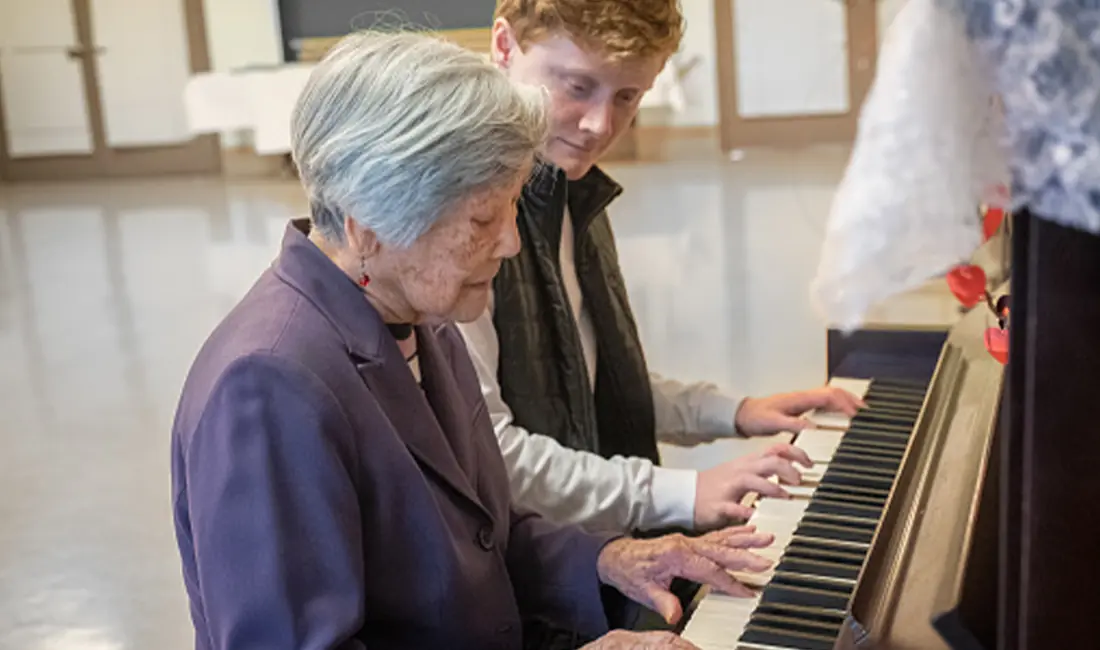
Cognitive decline can be very disruptive to a person and their immediate family, and it also has an emotional and physical effect. Research has shown that creativity stimulates the brain and that music can help us retrieve stored memories and help us lay down new ones. Music Therapy also creates opportunities for older adults to socialise and move their bodies. To further explore this topic, visit the Music and Memory Foundation at www.musicandmemory.org.
Autism
Music Therapy is applied in an intentional and developmentally appropriate manner to effect changes in behaviour and facilitate development of skills in individuals with Autism Spectrum Disorder. Music is extremely malleable and can therefore be adapted to meet the needs of each specific individual. Specifically, Music Therapy addresses positive interaction and communication, sensory stimulation, and emotional expression.
Groups
Music Therapy can be used in group settings to facilitate team-building, communication and conflict resolution, goal-setting, and relaxation. I often use drumming, voice work, body percussion, singing and adapted GIM in my group sessions.
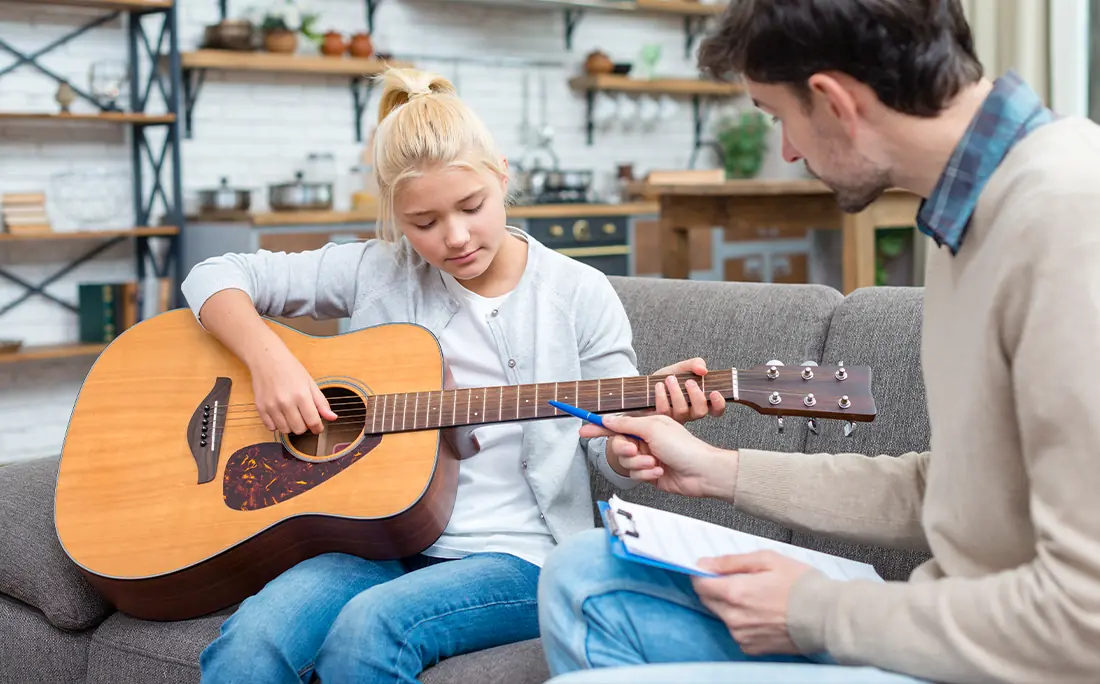
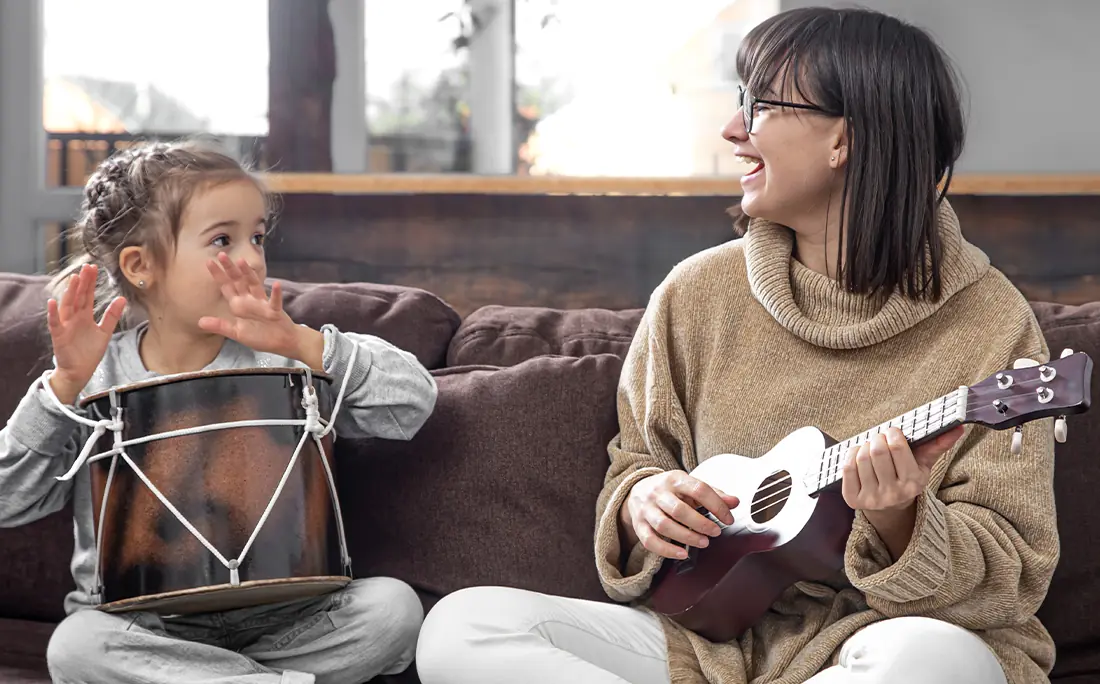
Image by PV Productions, Freepik & Tim Cooper on Freepik & Unspash